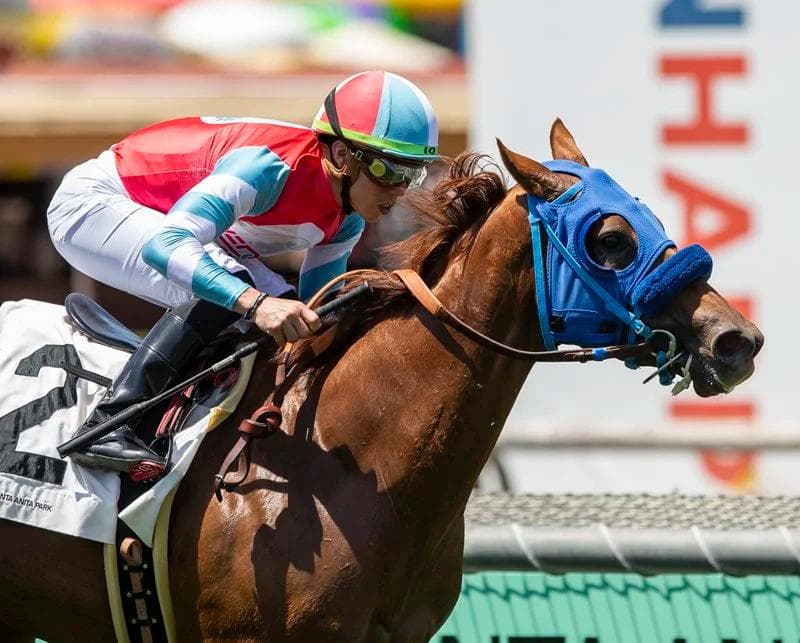
Understanding Gelding
When you invest in a racehorse, one of the first medical terms you may come across is gelding. It’s a standard veterinary procedure, but one that can raise a lot of questions: Why would we remove a horse’s ability to breed? Does gelding affect performance? Is it a sign the horse isn’t good enough?
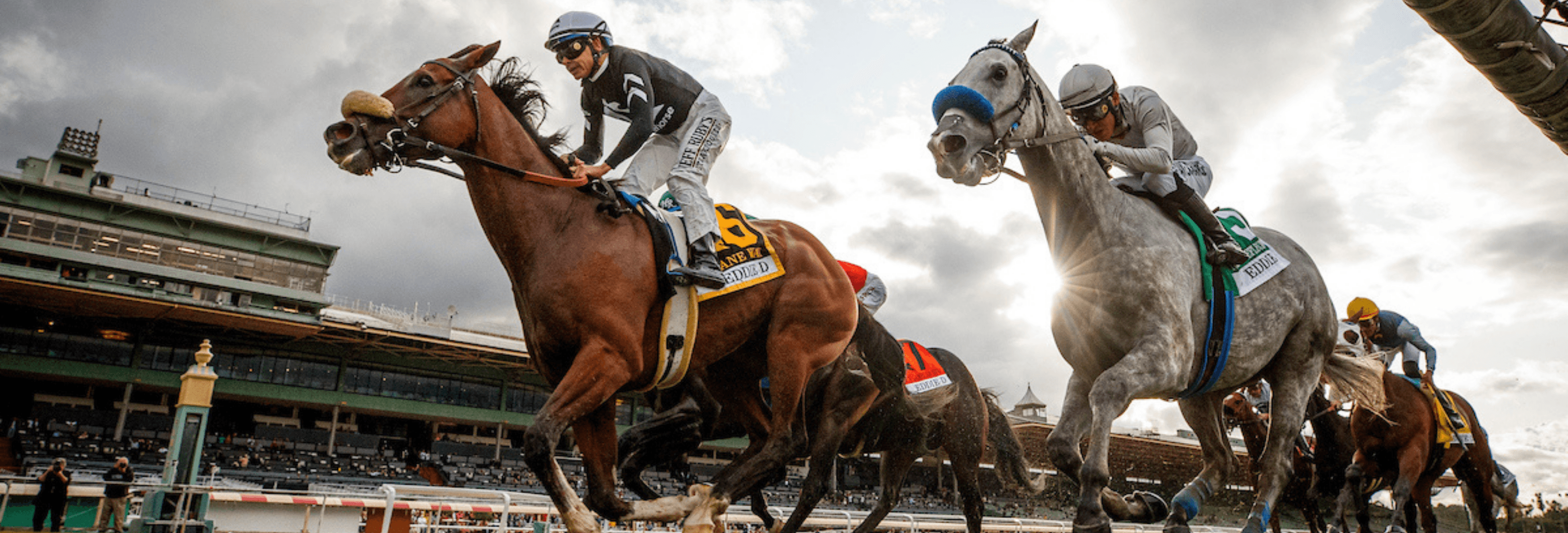
In reality, gelding is often a thoughtful, strategic decision made with the horse’s best interest in mind. It’s not about giving up—it’s about giving a horse every opportunity to succeed. In this article, we’ll explain what gelding is, why it’s done, and how it has positively influenced some of the most successful careers in Thoroughbred racing history.
What Is Gelding?
Gelding is the process of castrating a male horse—removing the testicles—so he can no longer reproduce. Once gelded, a male horse is referred to as a gelding, rather than a colt or stallion.
The procedure is typically performed by a licensed veterinarian under sedation and local anesthesia. It’s relatively low-risk, and horses generally recover quickly—often returning to training within days. More importantly, gelding can lead to a noticeable change in behavior, temperament, and physical development.
Why Geld a Racehorse?
There are several reasons a colt may be gelded, all of which tie back to the same goal: helping the horse become a better, safer, and more focused athlete.
1. Behavioral Focus
Stallions are driven by testosterone, which can result in distracted or difficult behavior. This might include biting, posturing, aggression toward other horses, or restlessness around fillies and mares. Even something as routine as loading into the starting gate can become a challenge if the colt is too keyed up.
Gelding eliminates those hormonal distractions. For many horses, it brings about a calmer disposition and a greater ability to concentrate on training and racing. It’s not about taming their spirit—it’s about giving them a chance to channel their energy productively.
2. Physical and Hormonal Weight
Beyond behavior, stallions can also carry more muscle mass and weight than is ideal for racing—especially if it’s not functional or balanced. Excess testosterone can lead to heavier builds that strain the horse’s stride, breathing, or overall energy efficiency.
In racing, every pound matters. Horses are assigned specific weights to carry during a race, and if a colt is already on the heavier side due to his natural development, gelding can help his body lean down and become more efficient. A streamlined athlete can travel lighter, recover faster, and finish stronger.
3. Safety and Trainability
In the barn, an aggressive or unpredictable colt isn’t just difficult—it can be dangerous. Trainers, grooms, and exercise riders all work closely with these horses, and safety has to be a top priority.
If a colt’s behavior is putting others at risk—or if he’s simply becoming too difficult to train consistently—gelding is often the most humane and practical solution. It ensures the horse can remain in active training while protecting the people and horses around him.
4. Realistic Breeding Potential
While every owner dreams of having the next superstar stallion, the reality is that only a very small percentage of colts will go on to a successful stud career. The requirements are steep: elite pedigree, exceptional race record, physical soundness, and market appeal.
If a colt isn’t checking those boxes—or if the focus is on building a racing career rather than preserving stallion value—then gelding becomes the path to maximizing his potential on the track.
National Racing Hall of Fame Inductee Gelding, Lava Man and the 2009 Kentucky Derby winner, Mine That Bird.
Can Gelding Improve Performance?
In many cases, yes—gelding can lead to a more successful and longer racing career. Once hormonal distractions and excess physical weight are removed, many geldings become more consistent, responsive, and competitive. Some even take a noticeable leap forward in performance.
Here are a few famous examples:
Legendary Geldings in Racing
Kelso
One of the greatest geldings of all time, Kelso was Horse of the Year for five consecutive years (1960–1964). Known for his heart, stamina, and incredible consistency, Kelso retired as the all-time leading money earner in Thoroughbred history.
Forego
A gelding who defined toughness in the 1970s, Forego won 34 of 57 starts, often carrying crushing weights (sometimes over 130 pounds) to victory. He earned eight Eclipse Awards, including Horse of the Year in 1974, 1975, and 1976.
John Henry
A blue-collar gelding with modest breeding, John Henry captured the public’s imagination with his gritty style and late rallies. He won over $6.5 million and earned two Horse of the Year titles, becoming one of the most beloved horses of the 20th century.
Wise Dan
Gelded early in his career, Wise Dan became a two-time Horse of the Year in 2012 and 2013. A model of versatility and consistency, he was virtually unbeatable on turf and won multiple Grade 1 races on both dirt and synthetic as well.
When Is Gelding Done?
Some colts are gelded early—before their two-year-old season begins. Others are given time to prove themselves intact, especially if they’re well-bred or show early promise. If a colt begins to struggle mentally or physically, gelding can be done mid-career.
Recovery time is usually short, and in many cases, horses return to training with renewed focus and improved demeanor. Your MyRacehorse trainer and veterinary team will always weigh this decision carefully, considering both the horse’s behavior and long-term racing goals
What to Expect as an Owner
If your MyRacehorse colt is gelded, you’ll receive updates explaining the decision and post-procedure progress. You may also notice the (g) symbol next to his name in programs and past performance charts.
For some owners, the idea of gelding can be initially disappointing—especially when dreaming of a future stallion. But it’s important to remember that gelding doesn’t take potential away. In many cases, it unlocks it.
Final Thoughts
Gelding is not a setback. It’s a thoughtful, practical decision that often leads to a more successful, manageable, and fulfilling racing career. For the geldings of the past—Kelso, Forego, John Henry, Wise Dan—and for many in training today, it marked the turning point from raw potential to legendary performance.
At MyRacehorse, every decision we make is centered around the health, safety, and success of your horse. When gelding becomes part of that journey, it’s because we believe it will help your athlete thrive.