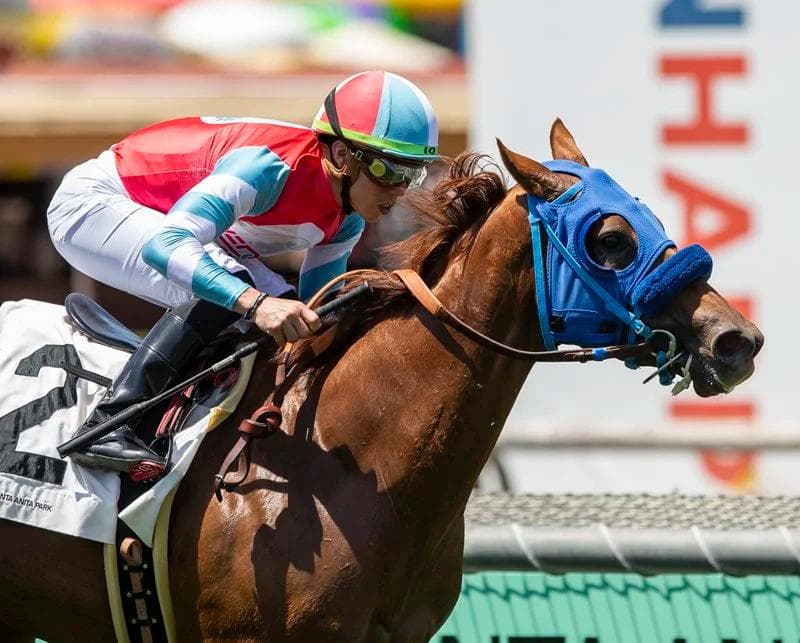
How to Read Your Racehorse’s Pedigree and Learn More About Their Background
One of the most rewarding parts of racehorse ownership is getting to know your horse—not just on the racetrack, but in terms of their pedigree, physical profile, and genetic potential.
Whether you’re new to Thoroughbred racing or just looking to dive deeper into your horse’s lineage, this guide will walk you through the basics of how to read and interpret your racehorse’s pedigree—and where to go to learn more.

Where to Start: Equibase
Your horse’s full profile—including race record, workouts, chart history, and pedigree—can be found at:
Equibase.com: Simply type your horse’s name into the search bar. Once on their profile page, you’ll see:
- Pedigree Box: Shows sire, dam, and dam’s sire (grandsire)
- Foaling Year and State/Country: Helpful for eligibility in restricted races
- Trainer, Owner, Breeder: Good for seeing who’s been involved in their development
- Race Record and Earnings: Updated automatically as they compete
You can also view past performances, race replays, and even workout logs. It’s the most accessible, real-time window into your horse’s public stats.
How to Read the Pedigree: The Basics
In its simplest form, a horse’s pedigree looks like this:
[Your Horse]
by [Sire]
out of [Dam] (by [Dam’s Sire])
For example:
Seize the Grey
by Arrogate
out of Smart Shopping (by Smart Strike)
Here’s what that means:
- Sire: The father of your horse—his genetics influence speed, scope, and temperament
- Dam: The mother of your horse—often more heavily weighted in breeding circles due to mitochondrial DNA and maternal lineage
- Dam’s Sire (aka Broodmare Sire): The maternal grandfather; an important influence on both stamina and durability
A pedigree can tell you a lot about what type of horse you’re dealing with—sprinter or router, dirt or turf, precocious or late-maturing.
Go Deeper with the BloodHorse Stallion Register
If you want to learn more about your horse’s sire—including progeny stats, stud fee, career highlights, and racing aptitude—head to:
stallionregister.bloodhorse.com
Search the stallion’s name, and you’ll find:
- Lifetime progeny earnings and win percentages
- Graded stakes winners sired
- Average earnings per starter
- Best known offspring and their accomplishments
- Stallion’s preferred surface/distance profile as a sire
- Commercial appeal (yearling and 2YO sale averages)
This information is especially helpful when evaluating how your horse might perform or where their ceiling might be. Some sires produce brilliant early 2-year-olds. Others shine with distance and maturity.
Understanding your horse’s sire helps you follow their career with context—and see how they may stack up against their siblings.
What About the Dam?
While stallions get much of the attention, the dam (mother) is critically important. Many great racehorses come from strong maternal families, and savvy breeders look generations deep into a mare’s record.
On Equibase, you can often click on the dam’s name to view her:
- Own race record
- Foals produced (siblings to your horse)
- Black type earnings
If your horse has half-siblings that have raced, their success (or lack thereof) can offer insight into what to expect.
Other Tools to Explore
- Pedigree Query (pedigreequery.com) – Offers extended 5-generation pedigrees and ancestor lines, with public input
- Thoroughbred Daily News (thoroughbreddailynews.com) – Offers race and sales coverage, with pedigree analysis on major runners
- BloodHorse – Industry news with frequent stories on breeding trends, stallion performance, and catalog updates
Why This Matters for You as an Owner
- Understanding your horse’s background helps you follow their development with more insight. It can explain why your horse is starting early (precocious bloodlines), why they’re improving with distance (stamina-oriented sire), or why turf is being considered (strong grass lineage).It also helps you celebrate the full arc of their career—especially if they become a broodmare or stallion prospect themselves.
Final Thoughts
- Your racehorse’s pedigree is more than just names on paper—it’s a roadmap. It tells the story of who they are, where they come from, and what they might become.
- By diving into resources like Equibase and the BloodHorse Stallion Register, you’ll become a more informed and engaged owner—one who understands not just the horse in front of them, but the legacy that led up to them.